
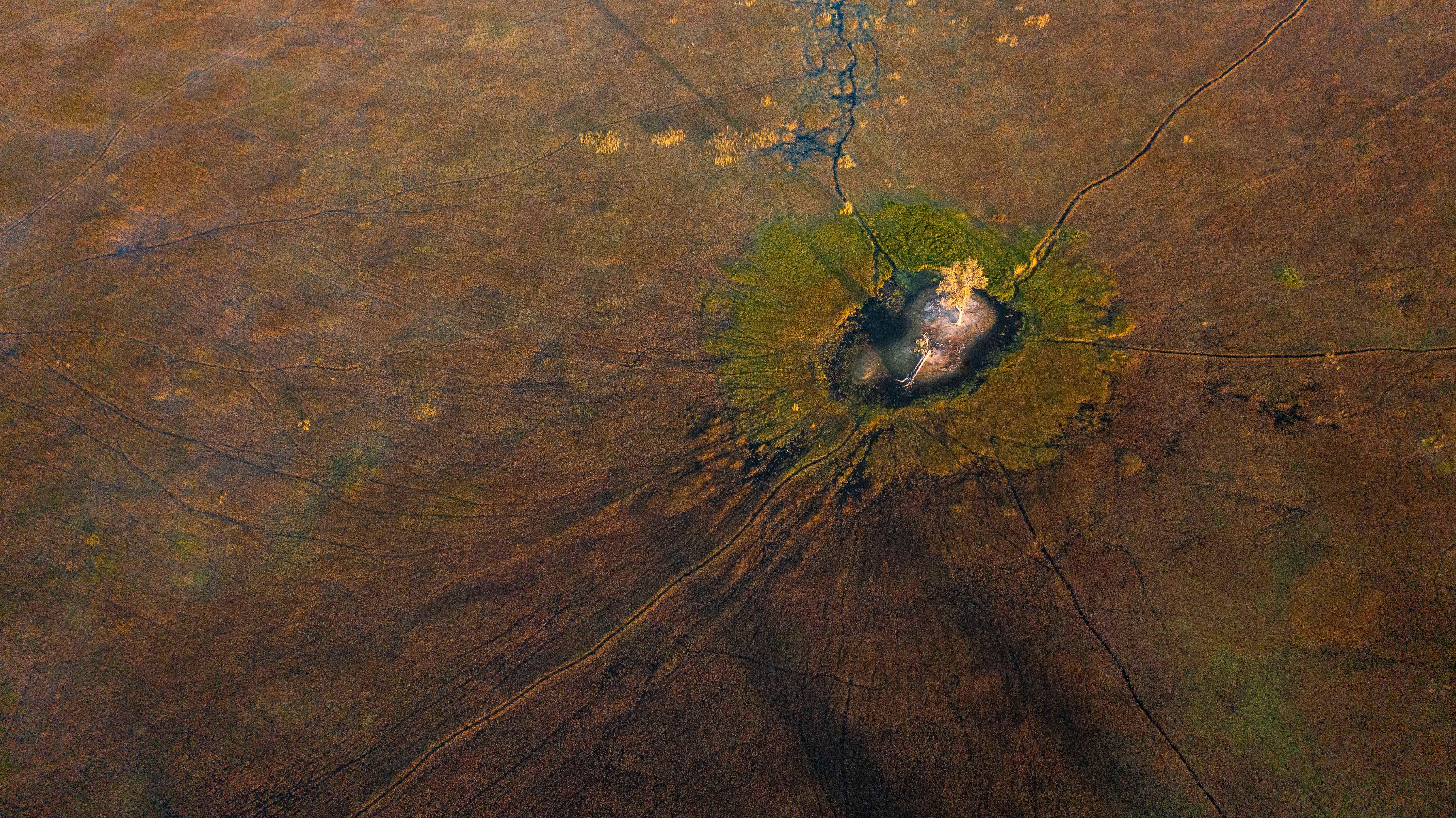
There are places in the world that feel constant, predictable, reassuringly familiar. The Okavango Delta is not one of them. Here, the wilderness lives two distinct lives each year — shaped not by the calendar, but by water, distance, and time.
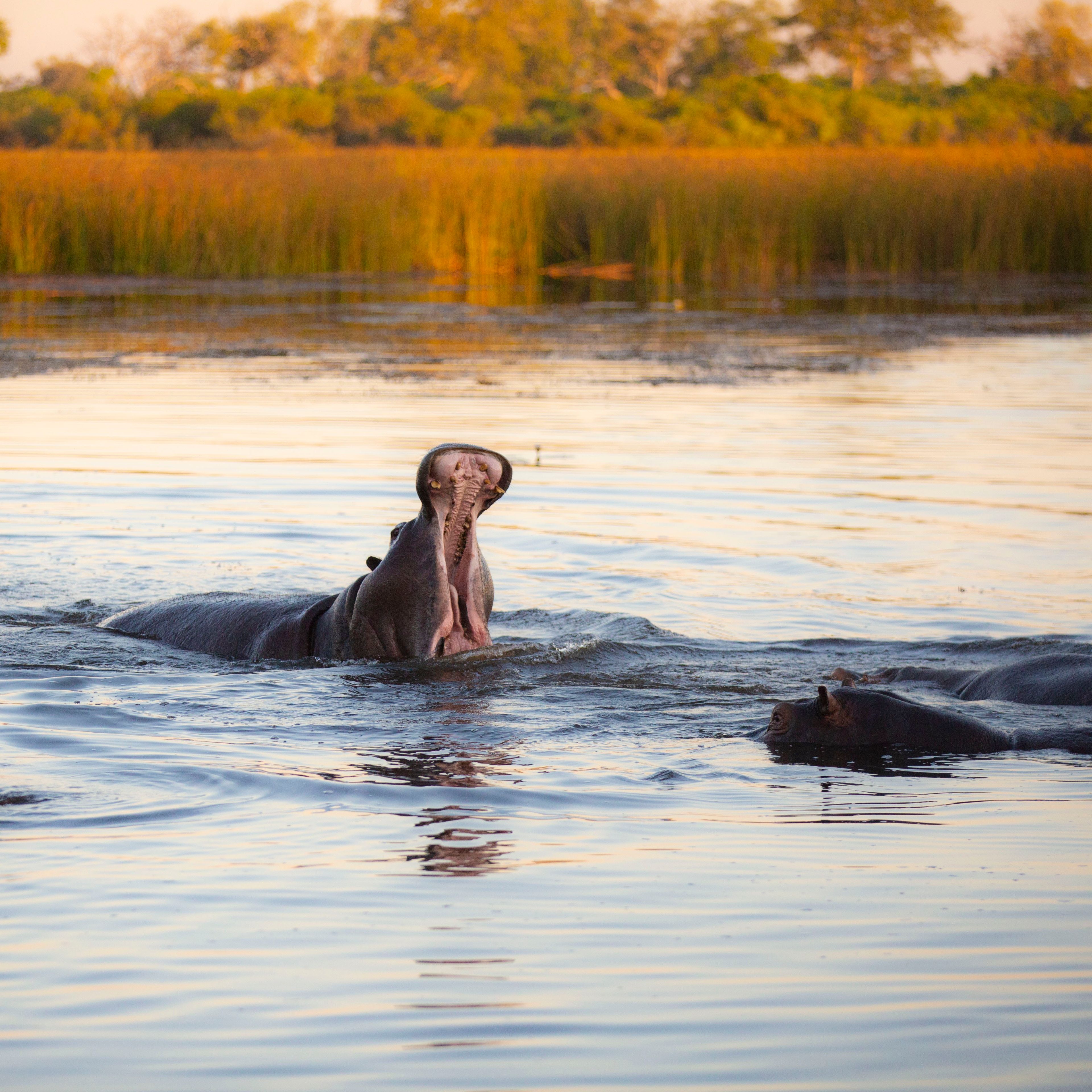
In flood season, the Delta becomes a place of movement and reflection. Water arrives quietly from the Angolan highlands, having travelled for months before spilling into Botswana’s plains. Rivers swell, channels widen, and floodplains soften beneath the slow, patient advance of the water. What was once dry ground becomes navigable, luminous, alive. Travel slows to the pace of the Delta itself. Mokoros drift through papyrus-lined channels, elephants wade between islands with only their trunks breaking the surface, and birds arrive in numbers that feel almost improbable.
The annual Okavango inundation is in itself a contradiction, as the floodwaters arrive months after the last rains fell. So long do the waters take to flow downstream from their source that the flood only arrives as the dry season itself sets in. Overflowing channels contrast strongly with drying grass, and although there is more water than one could ever imagine, it is now concentrated exclusively in the channels of the Delta system itself and the accompanying floodplains, not in ephemeral pans across the landscape, as it is during the rains. The green, rainy months of summer are conversely the time of low water levels in the Delta. The source waters that make their way down from the Angolan highlands have finally run out, and it is the current rains that will replenish them in a few months time.With the flood itself (which generally starts arriving from May), fish breed in newly flooded grasslands, antelope confine their movements to the larger islands (apart from the semi-aquatic red lechwe, and the shy sitatunga that lives almost exclusively amongst the thick papyrus beds) and predators adapt to a landscape that offers opportunity in every direction; more concentrated prey makes for good hunting, although the crossing of the occasional channel is necessary, which brings with it its own risks.Days unfold gently — mornings on the water, afternoons shaped by light and reflection, evenings where the Delta feels almost suspended between sky and floodplain. Sound is softened. Time stretches. Everything feels fluid.
And then, gradually, the water begins to withdraw.
What then?
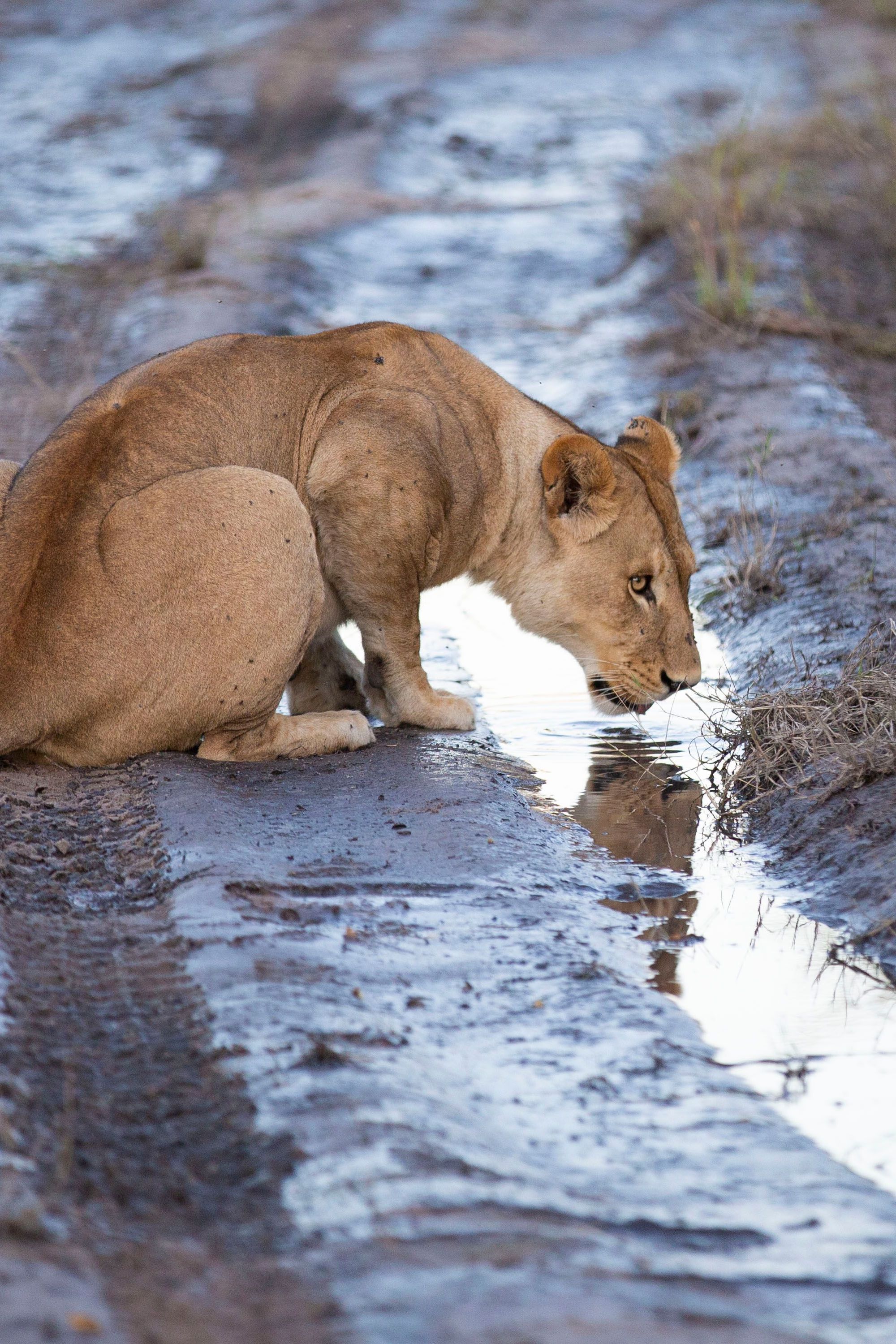
The counterintuitive nature of the Okavango food means that the non-flood season is also the wet season. This reveals a different Delta altogether. As floodplains reappear with the waters receding, the wildlife spreads out once more, taking advantage of new grass nurtured by the floodwaters. As the first thunderheads rear up above the horizon, the area holds its collective breath in anticipation of the imminent rains Tracks criss-cross roads that were once submerged. Alarm calls carry further. Every movement leaves a story behind.
This is a more intimate Delta. Walking safaris come into their own, with guides reading the land step by step — a snapped twig, a fresh spoor, the direction of a breeze. Predator sightings often feel more deliberate, more intense, as lions, leopards and wild dogs move with purpose through a landscape that demands precision.And then the rains return, and an explosion of green overtakes the higher ground that remained dry through the long months of winter.
The water recedes...
Neither season is better than the other; instead, they are complementary expressions of the same wilderness, each revealing a different side of the Okavango’s character. The flood season brings grandeur and movement, condensing the landscape and forcing life to move higher onto islands and the high ground. It is a time of apparent abundance, where water softens the Delta and everything feels expansive and fluid. The wet season, by contrast, offers clarity and focus. As water recedes, the bush becomes more legible, connections between animals and landscape more visible, and encounters more intimate. Tracks, sounds and behaviour are easier to read, inviting a deeper understanding of how this ecosystem functions. Together, these contrasting seasons create the full rhythm of the Okavango — a dynamic system defined not by permanence, but by change. It is precisely this constant transformation that keeps the Delta resilient, alive and endlessly compelling.
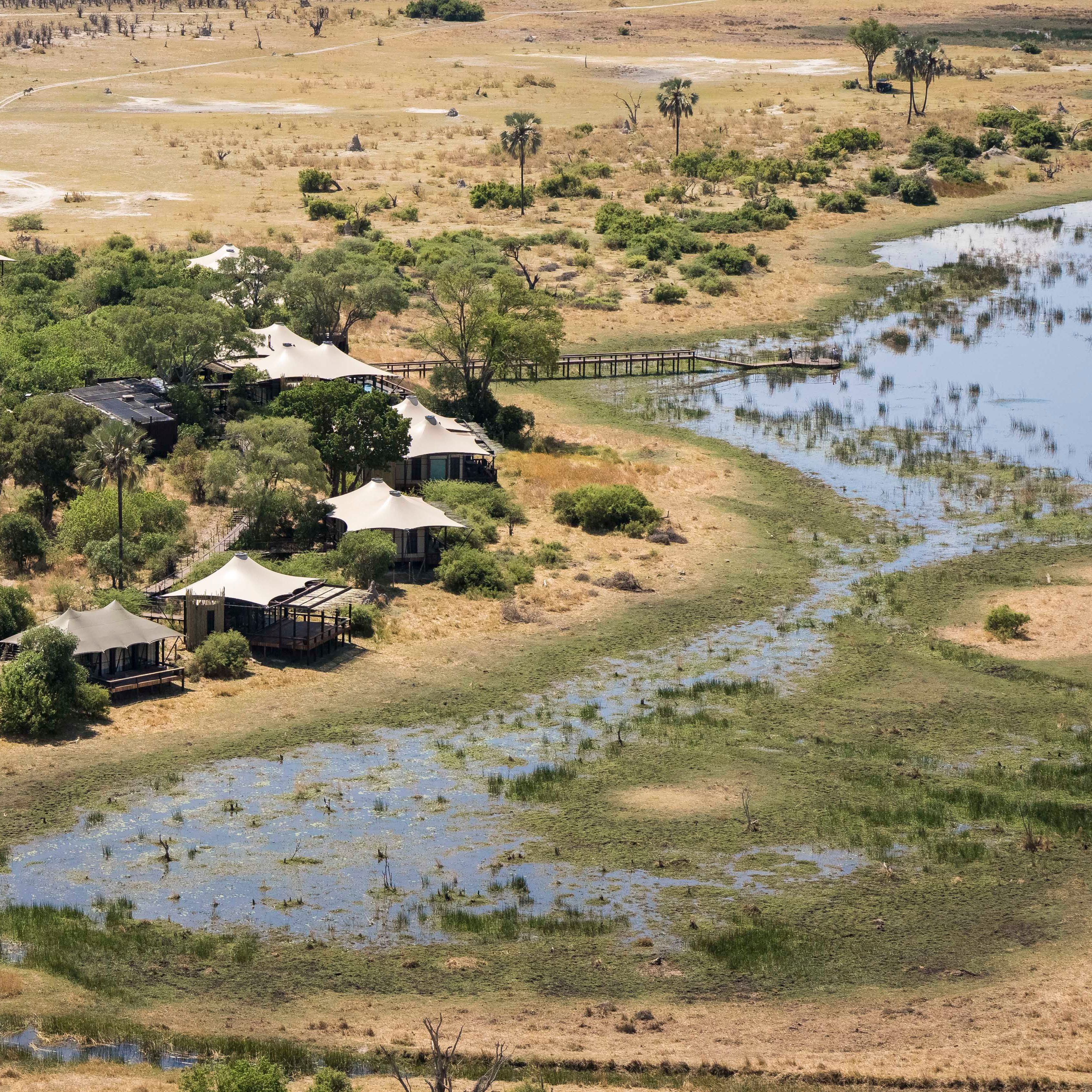
At Daunara, these seasonal shifts are not something to work around — they are central to the experience. The same landscape, the same camp, the same deep sense of place — revealed in two profoundly different ways.
Two Deltas. One wilderness. And the privilege of witnessing both.